
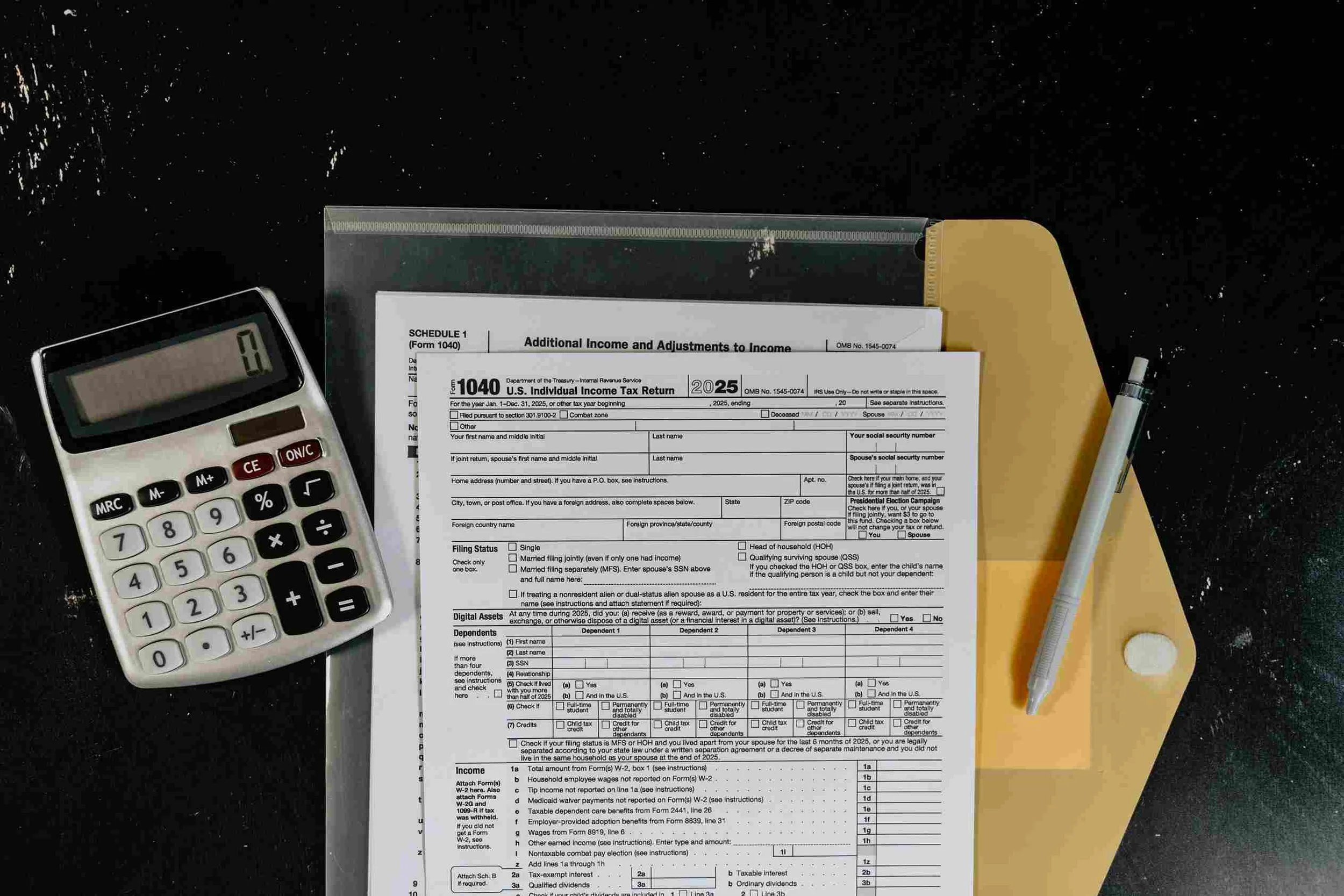
Monthly CPA Newsletter: January 2026
January 2026 Tax Update — Early Compliance & Enforcement Focus
D Tax Accounting | CPA & Advisor Newsletter
As 2026 begins, the IRS and Treasury are shifting from transition guidance to active enforcement and operational rollout of recent legislative and procedural changes. January updates signal a stronger emphasis on compliance accuracy, automated reviews, and early-year planning discipline for both individual and business taxpayers.
IRS Expands Early-Year Compliance Reviews
The IRS announced increased early-season compliance checks for returns filed in Q1 2026, particularly those involving credits, carry forwards, and prior-year adjustments. Returns with inconsistencies between transcripts and filings may see faster automated notices.
CPA Takeaway: Double-check prior-year data, carryovers, and reconciliations before filing to avoid early IRS correspondence.
No Relief Announced for Early 2026 Deadlines
The IRS reiterated that there are no deadline extensions or transitional relief provisions for early 2026 filings or payments related to recent legislative changes.
CPA Takeaway: Timely filing and payment remain essential to avoiding penalties and interest.
Increased Focus on Estimated Tax Accuracy
Treasury and IRS officials emphasized closer monitoring of estimated tax payments for self-employed individuals, passthrough entities, and closely held businesses. Underpayment mismatches are expected to trigger automated alerts earlier in the year.
CPA Takeaway: Review estimated tax calculations now and adjust first-quarter payments to align with updated income projections.
Automated Notices Roll Out Faster in 2026
IRS officials announced increased use of automated matching and compliance tools beginning in early 2026, focusing on income reporting, credit eligibility, and payroll consistency.
CPA Takeaway: The IRS confirmed that expanded automation will reduce lag time between filing and notice issuance. CP2000 and under reporter notices may appear sooner than in prior years.
IRS Reinforces Documentation Standards for Credits
January guidance reaffirmed strict documentation requirements for refundable and non-refundable credits, including business credits and personal tax incentives carried into 2026. Incomplete substantiation may result in delays or partial disallowance.
CPA Takeaway: Ensure documentation is assembled and retained before filing — not after an IRS request.
How D Tax Accounting Supports You
We support CPAs and their clients with proactive planning, IRS correspondence management, audit representation, and compliance strategy — helping reduce risk as enforcement tools and automation expand in 2026.
Wage & Income Transcript (and sometimes the Account Transcript)
can reduce CP2000 risk
