

Strategic Tax Planning for Business Owners
Keep More of What You Earn with Proactive Tax Planning
Tax planning isn't just about filing your taxes correctly it's about making informed financial decisions throughout the year that may help reduce your overall tax liability.
At D Tax Accounting, we help connect eligible business owners and self-employed professionals with strategic tax planning resources designed to identify legal tax-saving opportunities based on their unique financial situation.
Whether you operate a small business, own rental properties, or are a high-income professional, proactive tax planning can help you make better financial decisions before tax season arrives.
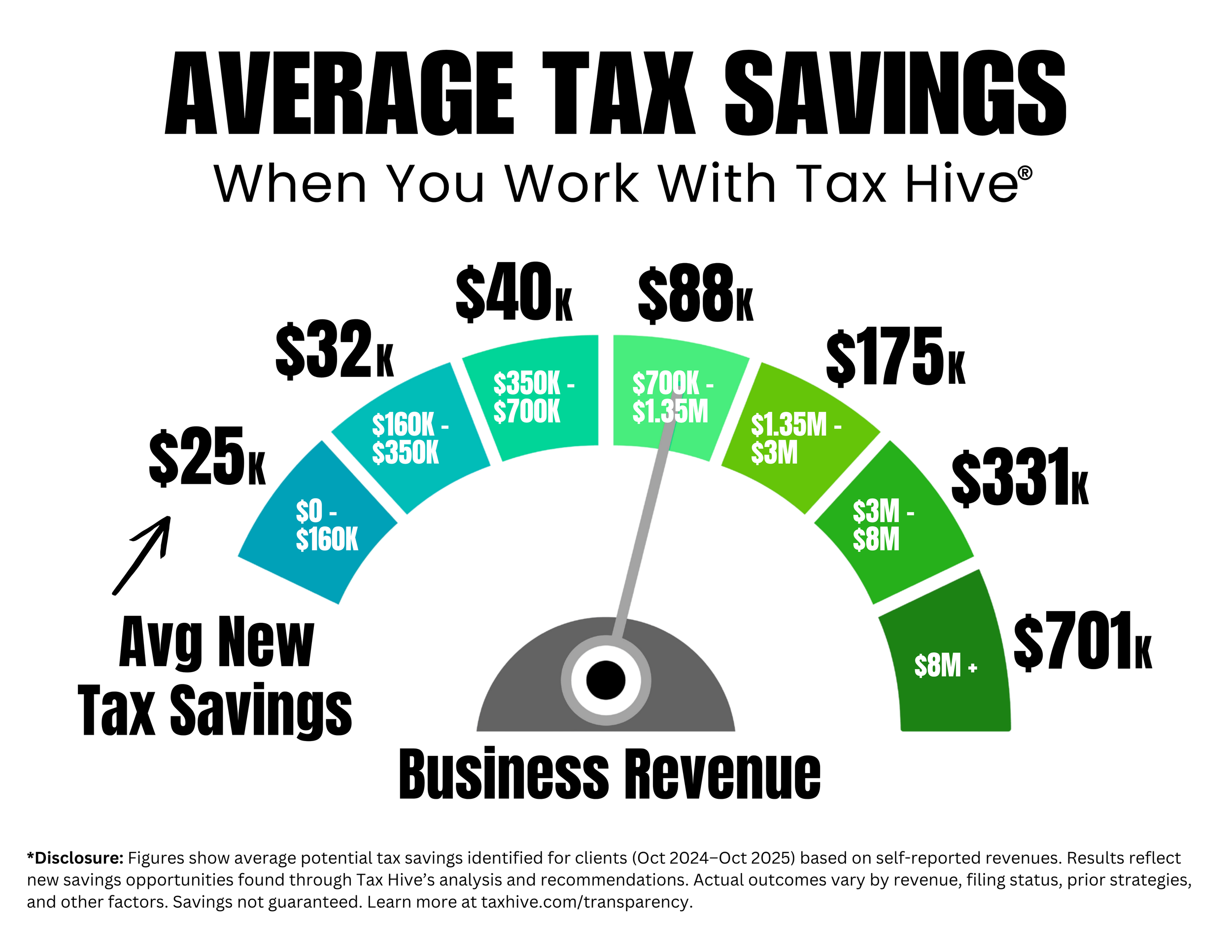
What Is Strategic Tax Planning?
Strategic tax planning is the process of reviewing your current financial position and identifying legal opportunities to improve tax efficiency before tax returns are filed.
Unlike traditional tax preparation, which focuses on reporting past financial activity, strategic tax planning evaluates your business structure, income sources, deductions, credits, and long-term goals to help reduce future tax liabilities where permitted under tax law. (Tax Hive - Strategic Tax Planning)
Every taxpayer's situation is different, which is why a personalized review is essential before implementing any tax strategy.

Who Can Benefit?
Strategic tax planning may be valuable if you are:
A small business owner
Self-employed or an independent contractor
A real estate investor
An e-commerce business owner
A medical or legal professional
A consultant or agency owner
A franchise owner
A transportation or logistics business
A high-income individual with complex tax circumstances
Businesses with multiple income sources, significant deductions, or long-term growth plans often benefit the most from proactive tax planning.
Why Proactive Tax Planning Matters
Many taxpayers don't begin thinking about taxes until it's time to file a return. By then, many planning opportunities may no longer be available.
Planning throughout the year allows you to evaluate financial decisions before they affect your tax outcome.
Potential areas that may be reviewed include:
Business entity selection
Available tax deductions
Tax credits
Retirement planning opportunities
Depreciation strategies
Business expense optimization
Income timing
Investment-related tax considerations
Recommendations depend entirely on your individual circumstances and applicable tax laws.
What the Planning Process Typically Includes
A strategic tax planning engagement generally involves:
Initial Consultation
A discussion about your business, financial goals, and current tax situation.
Financial Review
Review of available financial information, tax returns, and supporting documentation.
Tax Strategy Analysis
Identification of potential planning opportunities based on your circumstances and current tax regulations.
Personalized Recommendations
A customized action plan outlining strategies that may help improve tax efficiency while remaining compliant with applicable tax laws. (Tax Hive - Strategic Tax Planning)

Areas Commonly Evaluated
Although every tax plan is different, professionals may review opportunities related to:
Business deductions
Available tax credits
Entity structure
Payroll strategies
Retirement contributions
Real estate investments
Depreciation methods
Business expenses
Multi-entity structures
Long-term wealth preservation
Not every strategy is appropriate for every taxpayer, and recommendations should always be based on individual circumstances.
Benefits of Strategic Tax Planning
A proactive approach may help you:
Identify tax-saving opportunities before year-end
Improve long-term financial planning
Better understand available deductions and credits
Align business decisions with tax efficiency
Reduce unexpected tax liabilities
Create a more organized tax strategy
Because tax laws change regularly, reviewing your tax strategy periodically can help ensure your plan remains aligned with current regulations.
Why Work Through D Tax Accounting?
D Tax Accounting provides trusted tax and accounting services for individuals and businesses.
Through our strategic tax planning partnership, qualified clients can access additional tax planning resources that go beyond annual tax preparation.
Our goal is to help clients explore proactive tax planning solutions while ensuring they receive professional guidance tailored to their financial goals.
Frequently Asked Questions
-
No. Tax preparation focuses on accurately filing tax returns, while strategic tax planning evaluates opportunities to improve future tax outcomes before returns are filed.
-
No. Many small business owners, self-employed professionals, and investors may benefit from proactive tax planning depending on the complexity of their financial situation.
-
Yes. Strategic tax planning focuses on identifying legal opportunities available under current tax laws. Any recommendations should be implemented only after reviewing your specific circumstances with qualified tax professionals.
-
No. Tax planning is highly individualized. Recommendations depend on factors such as income, business structure, assets, and applicable tax regulations.
-
The first step is scheduling a consultation to determine whether strategic tax planning is appropriate for your situation.
Important Disclaimer
D Tax Accounting provides access to strategic tax planning services through a trusted referral partnership. Tax planning recommendations are based on each client's individual financial circumstances and applicable tax laws. No tax savings are guaranteed, and results will vary. Before implementing any tax strategy, consult with a qualified tax professional regarding your specific situation.
